

By Liam Baker
Nationwide, Americans are feeling less sure about where things are headed. As the 2026 midterm elections draw closer, concern is sharpening over economic conditions, the cost of living, and the ability of Washington to get things done.
Worsening Economic Sentiment
Recent polling makes clear that optimism about the nation’s economy has steadily declined. Only about a quarter of adults say that current economic conditions are excellent or good, while a combined 75% now rate them as just fair or poor. This shift cuts across party lines, though Republicans are more likely than Democrats to express positive views. Those who disapprove of President Trump’s approach are especially likely to say conditions have worsened.
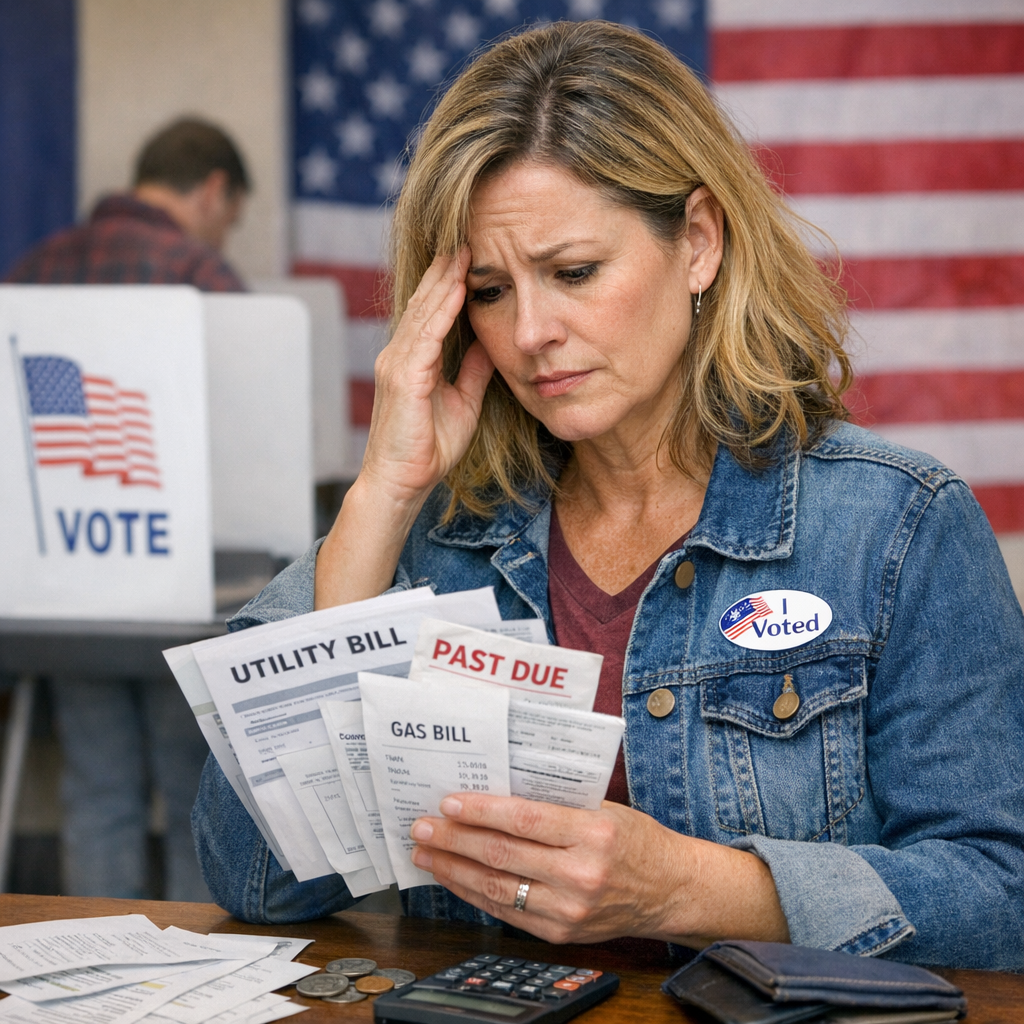
Inflation continues to hit households hard, especially through rising costs of food, healthcare, housing, energy, and gasoline. While inflation has eased from its peak in some areas, many Americans report that prices remain burdensome.
Top Worries: Healthcare, Deficits, & Governance
Aside from inflation, the affordability of healthcare is consistently among the most pressing issues facing the nation. Alongside that, concerns over the federal budget deficit have grown, with more people seeing long-term fiscal imbalance as a serious problem. Unemployment remains a worry, though it’s less prominent than cost-of-living matters.
Trust in institutions is also low: many Americans are worried not just about policy, but about whether the government is capable of effectively addressing core challenges. There is widespread dissatisfaction with political leaders and processes, felt by citizens of all political persuasions.
Issues Reshaping the Political Landscape
As campaigns ramp up, economic concerns dominate voters’ minds. Key issues like inflation, healthcare affordability, and fiscal policy are being wrestled with by candidates of both parties. Immigration and crime policy remain critical too, often acting as tipping points in close races. And for many, the ability of the U.S. government to pass legislation and move past partisan deadlock is itself a major factor influencing how people will vote.
Topeka’s residents are unlikely to be insulated from these national trends. Rising prices, healthcare access, and questions about government effectiveness are issues that touch families here just as they do elsewhere. Voters in our region will almost certainly see these themes amplified in local and congressional races this fall.
What To Watch This Fall
- How voters respond to messaging around inflation and healthcare in campaign ads and debate stages.
- The degree to which bipartisan cooperation (or lack thereof) becomes a vote-getter or deterrent.
- Shifts in turnout linked to economic anxiety, especially among independents and younger voters.
- How closely Topeka and Kansas more broadly mirror national attitudes on these issues.
Overall, the story of this political moment isn’t just what’s wrong—it’s how much of the public is looking for real solutions. If candidates want to stand out, they’ll need to speak to those tangible challenges, not just party talking points.